


















Lead-Lined Sliding Doors: Radiation Protection Without Sacrificing Flexibility
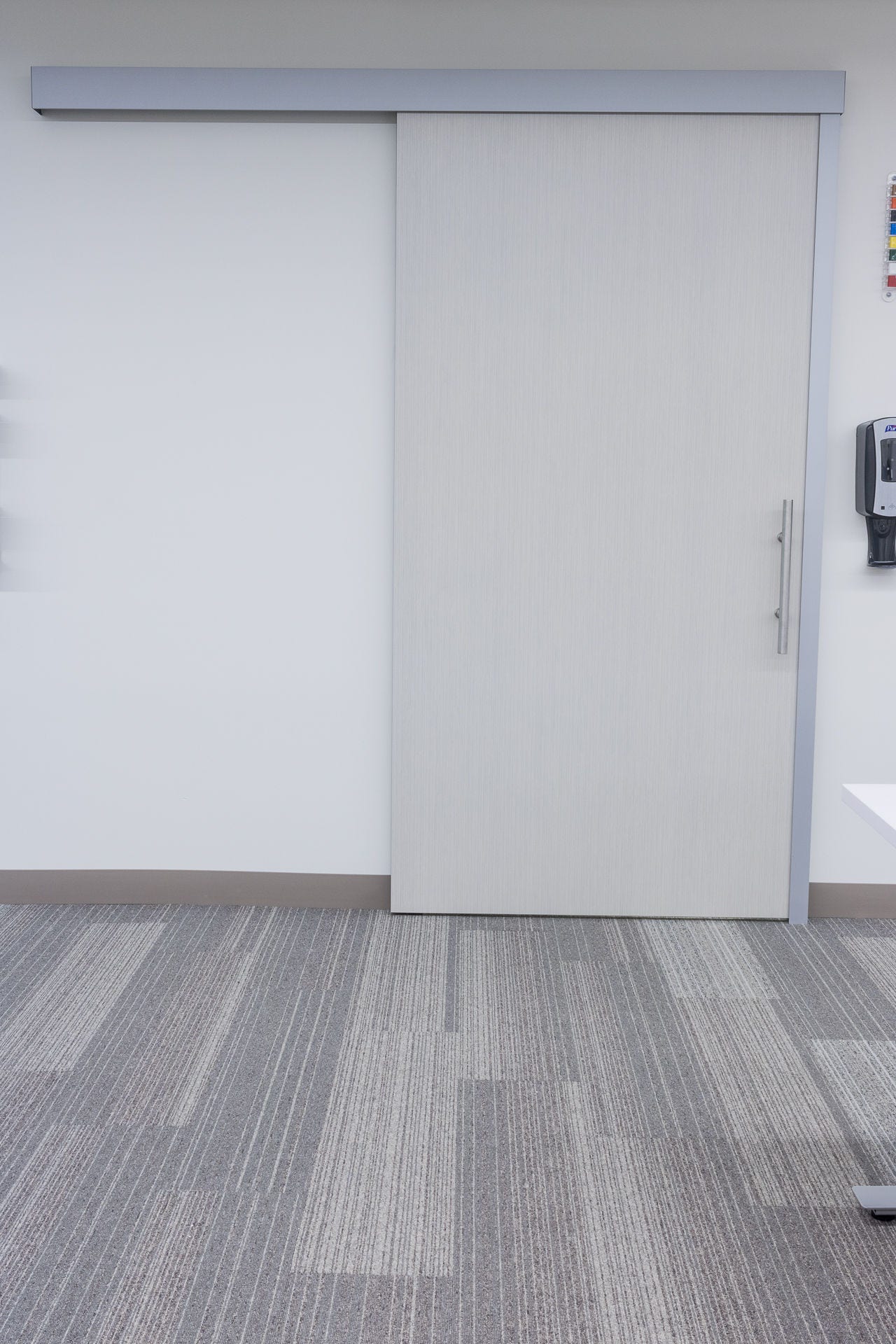
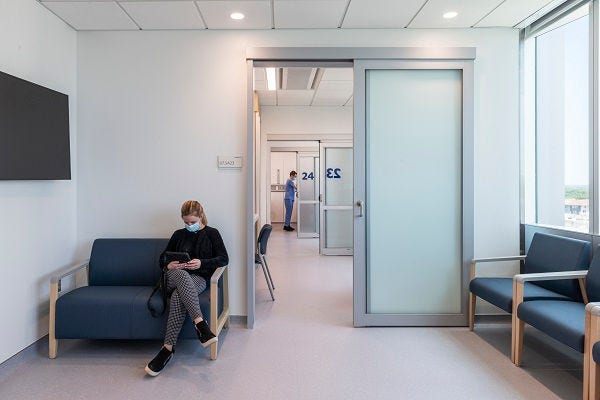
Because they can save up to 30 square feet per door, commercial sliding doors and other flexible opening systems can maximize useable space within health care facilities. Design teams have used them for flexible and accessible patient and provider spaces, to ease challenges in on-stage/off-stage floorplans and even to optimize the benefits of modular construction.
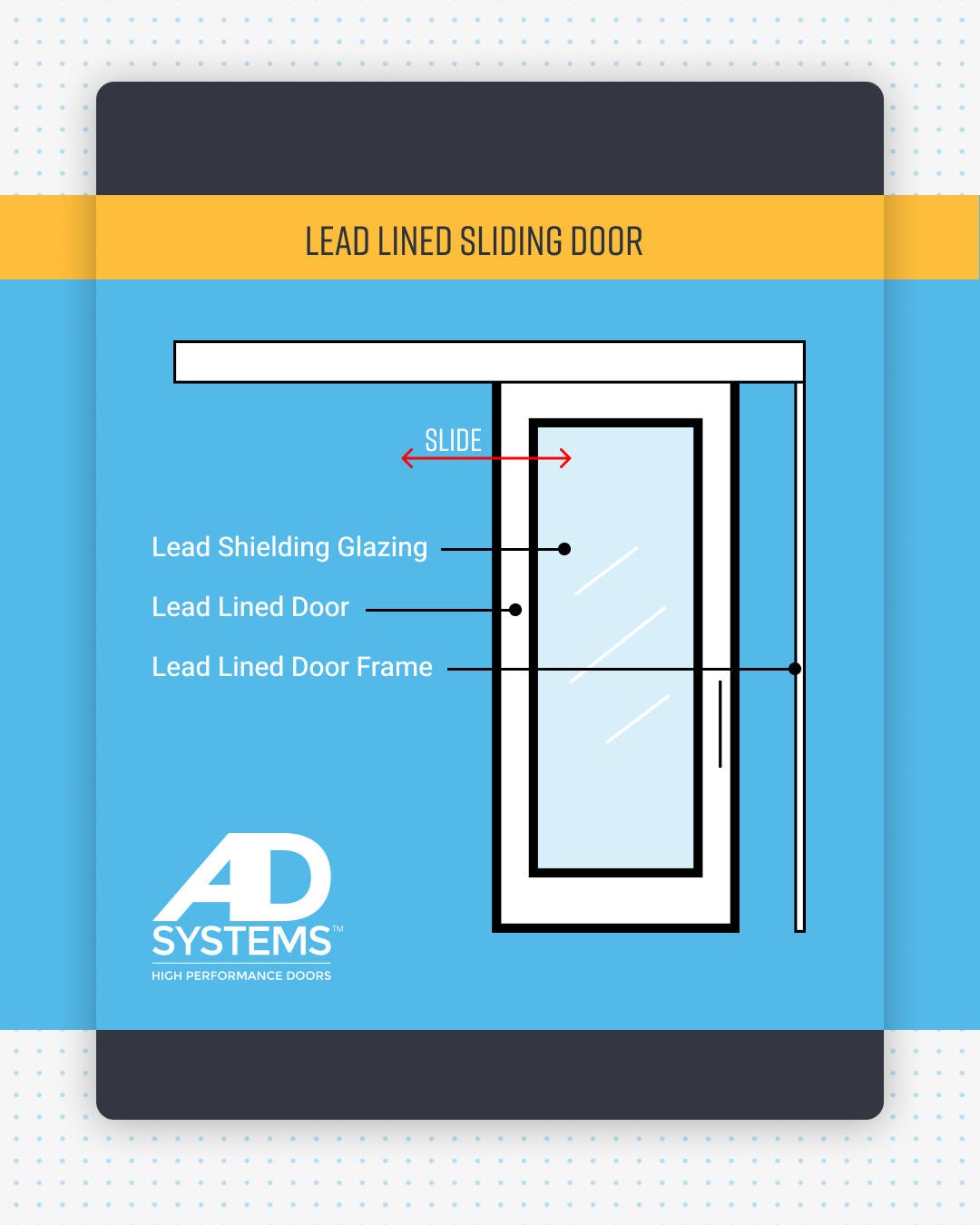
In addition to standard configurations, sliding doors can be customized to meet several performance demands, including radiation shielding for radiology departments. Lead-lined sliding doors can support a full-building approach to space-efficient design, provided they are specified appropriately.
What are lead-lined sliding doors?
Radiation-shielding sliding doors are often lead-lined to block x-rays and gamma rays in areas with MRI equipment, X-ray machines and other specialty diagnostic tools. For these options to meet local building code standards and best-practice recommendations, it is important that they have no gaps between shielding components.
ExamSlide™, a sliding door system from AD Systems, is available as a lead-lined sliding door. With this sliding door, design teams can create more space-efficient radiology departments to improve patient and provider experience. They can also create wider openings without large swing arc trajectories of traditional swing doors to more readily accommodate mobile MRI and X-ray equipment. This supports a more flexible design overall.
Radiation shielding requirements for hospital doors
It is important that design teams understand the requirements for specifying lead-lined doors. However, calculating radiation shielding is separate from building code compliance. While building codes, like the International Building Code (IBC), govern fire resistance, structural performance and life safety, radiation protection calculations address exposure limits and clinical use patterns.
As such, it is crucial that project teams understand guidelines focused on health care design, like the Facilities Guideline Institute (FGI) and National Council on Radiation Protection and Measurements (NCRP). That said, engineering radiation-shielding sliding doors is complex as appropriate protection levels can vary significantly between projects and even between different rooms within the same building.
Taking the time to discuss with engineers and regulatory bodies as well as project owners what levels of protection are appropriate can help ensure lead-lined sliding doors meet standards for radiation shielding given imaging equipment in use, room size, door position relative to the machine, frequency of use and much more.
Key considerations: lead-lined vs. standard healthcare sliding doors
No matter the level of radiation-shielding a door system provides, its details will change how it is engineered compared to a standard commercial sliding door since the lead-lining will increase the weight of a door’s components.
On the one hand, this will necessitate a more robust perimeter frame and roller system to accommodate the extra weight and operational forces. On the other, a lead-lined sliding door’s hardware will also need to be adjusted to ensure it can tolerate the weight of a door and still retain its performance capabilities throughout its predicted lifecycle.
Navigating the nuanced differences between standard and radiation-shielding sliding door systems does not have to rest on the design team alone. Proven manufacturers, like AD Systems, have helped project stakeholders engineer resilient openings that meet a wide range of performance goals. This collaborative approach to building design supports a streamlined planning process and more consistently successful projects overall.
Lead-lined sliding doors offer a flexible solution for health care environments
Whether specified in an X-ray room, MRI lab or any other context that might benefit from radiation shielding, lead-lined sliding doors can support a space-efficient and safer health care facility. That said, specifying them can be quite complex—both in terms of the protection they offer and their functionality as a door.
Having installed over 150,000 sliding and flexible door systems, AD Systems has a proven track record of working with project stakeholders to ensure openings meet code requirements, achieve best-practice recommendations and satisfy project design goals.
Contact AD Systems today to find out more about how flexible opening systems can help elevate health care facilities.
You May Also Like
Check out similar product solutions.
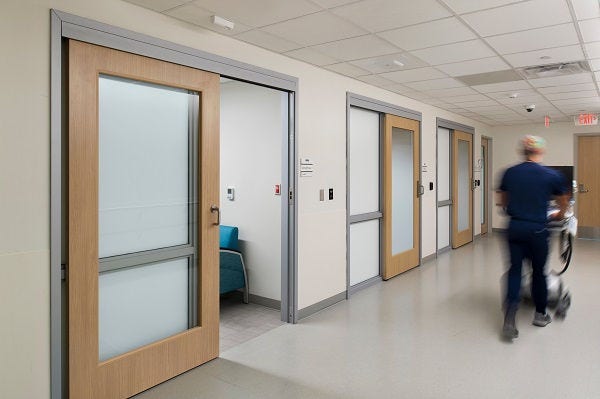
Read about our products in the real world.
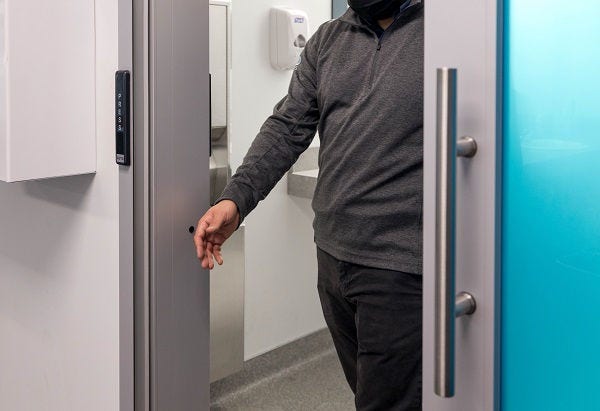
See how our doors solve many challenges.




Want AD Systems in your inbox?
Sign up to receive product updates, news and information from Ives sent directly to your inbox.
Let us help.
Contact us today to talk about your project needs, or call us at 425.740.6011.



Ⓒ 2025 Allegion all rights reserved