


















How BHMA-Certified Hardware Supports Commercial Door Compliance
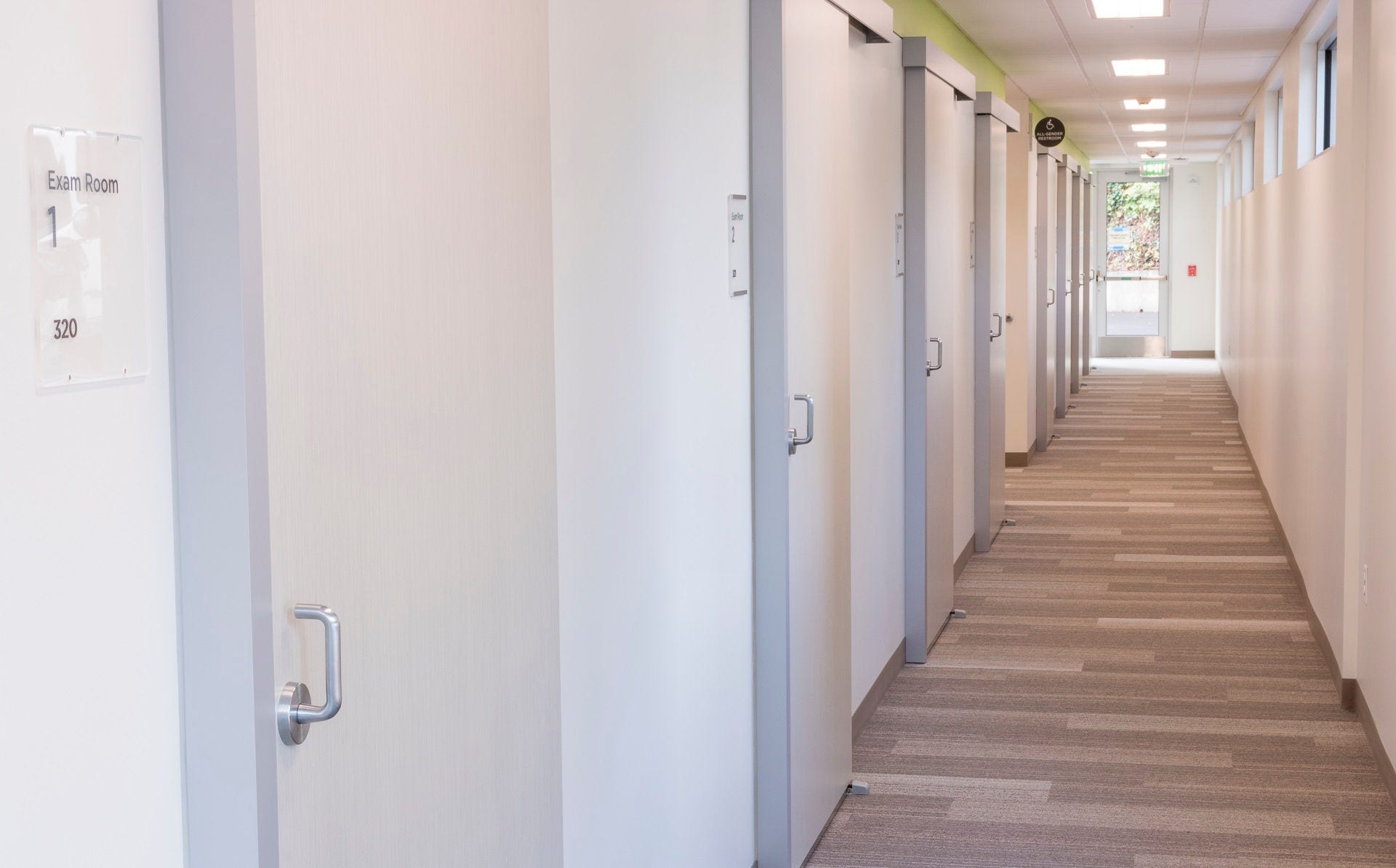
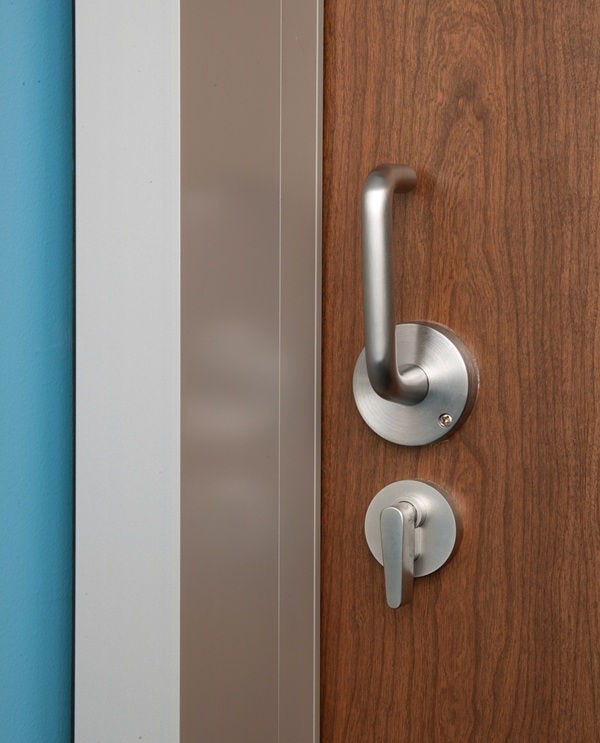
Commercial doors are complex systems. Closers, opening and locking hardware, framing, thresholds and more all work together to ensure a door system is durable enough to meet commercial application goals as well as accessibility minimums listed in the Americans With Disabilities Act (ADA) Standards for Accessible Design.
It is important to note the ADA and other codes and standards, such as the International Code Council’s ICC A117.1 - Accessible and Usable Buildings and Facilities, state what building components need to do to satisfy design requirements. Outside a few rating standards included in the International Building Code (IBC), they usually do not list how they are assessed to certify they meet these required minimums. To make matters more complicated, there is no single certification standard to show if a product is compliant to accessibility standards.
That said, to support teams with ADA door compliance (and compliance with other regulatory bodies), the Builders Hardware Manufacturers Association (BHMA) has developed component-based testing protocols with several commercial door compliance needs in mind. When building professionals choose door systems that incorporate BHMA-certified products, they can often more efficiently satisfy building requirements.
Which design features and performance capabilities support ADA door compliance?
Generally, BHMA standards quantify and certify that a door component will operate as intended every time it is used during its service life. This offers peace of mind that a door’s functionality will not degrade over time. These tests also ensure that an ADA-compliant door will remain consistently accessible. While BHMA certification does not guarantee commercial door compliance to ADA and other standards, it does offer a trusted and reliable source for determining the appropriateness of a door component.
Nearly every part of a door system can be BHMA-certified—from locks and trim (ANSI/BHMA A156.2 – 2022 and A156.13-2022) to door closers (ANSI/BHMA A156.4), and from folding and sliding door hardware (ANSI/BHMA A156.14-2024) to automatic sliding door operators (ANSI/BHMA A156.38). When these components are certified to BHMA standards, they can help designers specify for both accessibility and longevity.
How does BHMA-certified hardware overlap with ADA-compliant door standards?
Although most BHMA certifications focuses directly on operation, durability, safety and security and appearance, the implications of the test results extend into ADA compliance as well as other building code requirements. While ADA standards do not offer detailed overview about the operation of doors, selecting systems that are code-compliant in other areas can support overall accessibility.
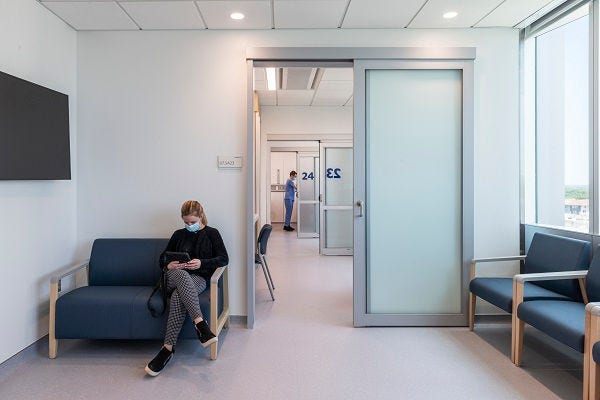
For example, mentioned in the IBC, ANSI/BHMA A156.38 measures the opening force and operating time of low-energy, power-operated folding and sliding doors. In doing so, it helps specifiers select systems that will operate within ADA standards. Further, ANSI/BHMA A156.14-2024 tests folding and sliding door hardware to ensure a component will work as intended after being subjected to use and abuse. Although certification to this standard does not ensure ADA compliance, it does quantifies the parameters under which a door can maintain accessibility and functionality.
It is crucial to note that ADA door compliance entails more than performance. These doors must also meet minimum width requirements, have standard approach and maneuvering clearances, meet height requirements for hardware placement and more. Design teams are encouraged to review ADA compliance standards and ask questions of manufacturers before specifying a product.
Are there any other regulatory best practices or requirements that BHMA certifications support?
Beyond ADA door compliance, BHMA-certified components can also help specifiers achieve code compliance with requirements from the IBC and the National Fire Protection Association (NFPA) codes and standards such as NFPA 101 and NFPA 80. BHMA certification can also help project teams more accurately assess a component’s appropriateness for an application based on durability and resilience.
One of the most straightforward examples is the BHMA’s use of a graded system, in which Grade 1 represents the most durable components. Components rated as Grade 1 demonstrate their appropriateness in high-use and abuse commercial projects. This graded system also helps facility managers more effectively plan maintenance.
In addition, these certifications can help document commercial door compliance to best-practice recommendations in health care design. For instance, the Facility Guidelines Institute (FGI) provides several resources focused on design considerations for patient safety. Because BHMA certification tests longevity, durability, safety and security, they can be instrumental in quantifying how a door component can contribute to a safe environment—both in the immediate and long term.
Commercial door compliance starts in the planning phase
While specifying BHMA-certified door components and even full, integrated door systems can help design teams meet ADA standards and other building code requirements, it is not the only aspect to consider.
Designing commercial door systems to meet current compliance regulations can be quite nuanced, necessitating knowledge of the door itself as well as where it is in the built environment and the overall occupancy type. Project teams can specify these systems more efficiently when collaborating with manufacturers with a proven track record.
In addition to having more than 15 years of experience, AD Systems takes an integrated approach to design collaboration. Partnering with Technical Glass Products, Unicel Architectural and other Allegion brands, AD Systems can help teams discover boundary-pushing solutions for opening specifications.
Contact AD Systems today to explore your options for ADA-compliant doors.
You May Also Like
Check out similar product solutions.
Read about our products in the real world.
See how our doors solve many challenges.



Want AD Systems in your inbox?
Sign up to receive product updates, news and information from Ives sent directly to your inbox.
Let us help.
Contact us today to talk about your project needs, or call us at 425.740.6011.



Ⓒ 2025 Allegion all rights reserved