


















Behind the Standards: How BHMA-Certified Hardware Sets the Bar for Quality
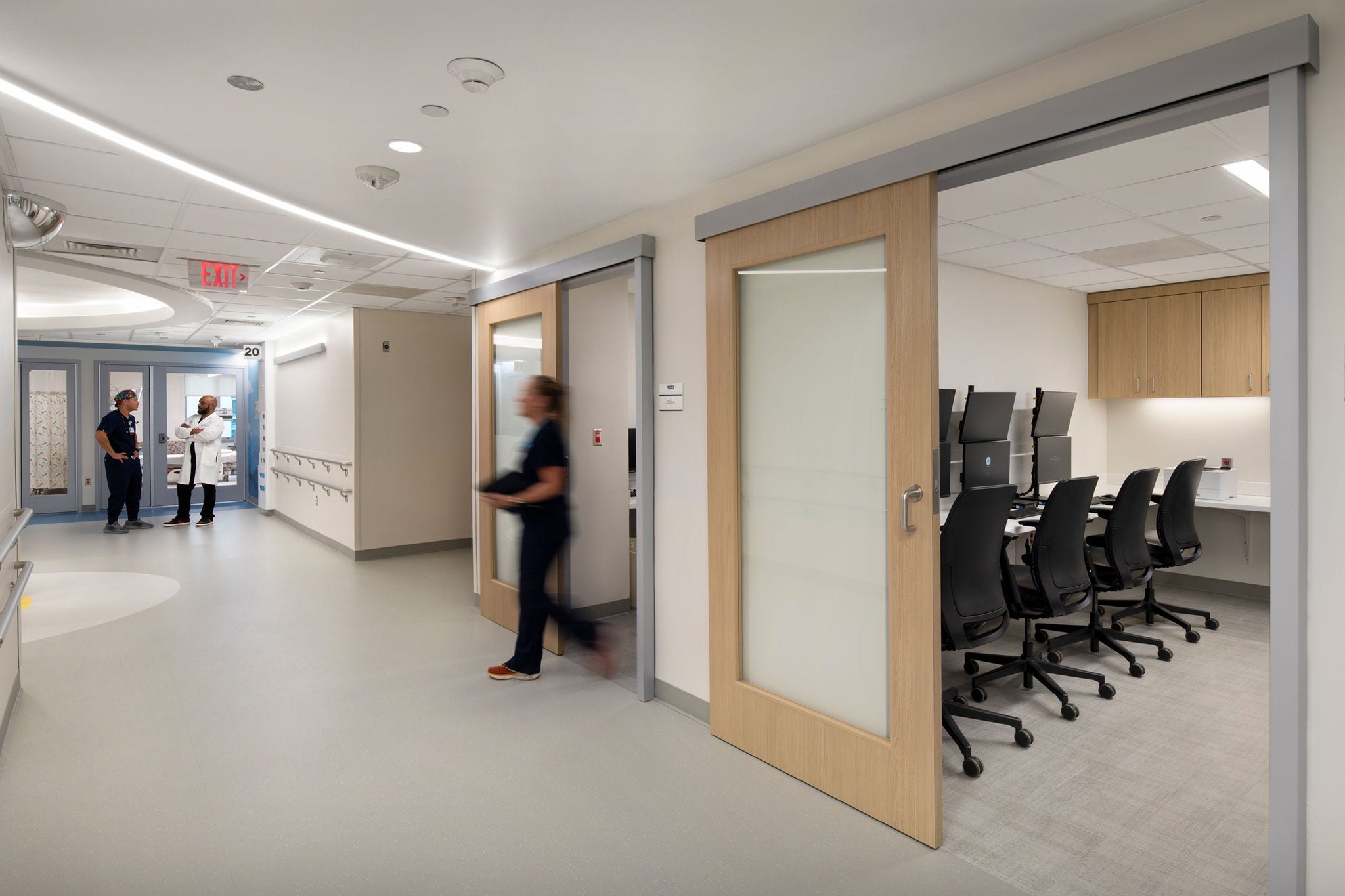
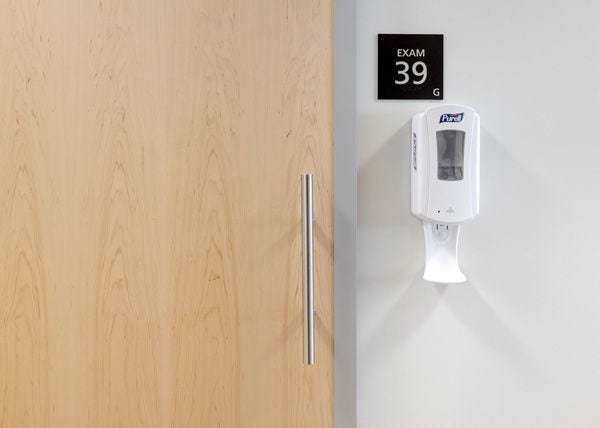
The Builders Hardware Manufacturers Association (BHMA) has developed sliding door and hardware standards that help ensure specifiers know the performance and quality of the products they select for a project. In a past blog, Tysen Gannon, LEED AP, provided insights from over 15 years of experience in the industry about the value of using BHMA-certified hardware and doors.
She answered what is BHMA certification, how products become certified and the importance behind certification. But many questions around BHMA remain unanswered.
Continuing the series in discussing these sliding door and hardware standards, this blog will address how BHMA delivers long-term value to project stakeholders. Given that many building trends involve longevity and resilience, these certifications provide peace of mind that the specified products will facilitate a more functional interior upon occupancy and mitigate complications to routine maintenance.
What is BHMA certification and how does it ensure long-term value?
As a trade association that has existed for nearly a century, BHMA promotes the quality and performance of builders’ hardware products, provides education and standards development and advocates for the industry in general. Its third-party testing standards establish a baseline for security, durability and finish of doors and door hardware.
Sliding doors and hardware that have been certified to BHMA standards quantify the strength and durability needed to withstand the wear-and-tear typical of commercial and institutional environments. BHMA-certified hardware and doors also create timelines for routine maintenance to reduce any ambiguities when it comes to inspection and replacement.
Both aspects of BHMA-certified products regulate quality to control performance baselines, and, as a result, these certified components offer project teams distinct data points about how they will perform when installed and over the course of their service lives.
How does BHMA-certified hardware and doors benefit project teams?
While BHMA-certified hardware and doors can deliver value to multiple project stakeholders, these types of products benefit design teams in specific ways. For example, BHMA-certified hardware is often certified across three grades depending on the strength and durability a product displays. As a result, specifiers can select products in a grade that is most appropriate for a given application—whether that is a low-traffic area in an office or a high-abuse corridor in a busy pediatric intensive care unit (PICU).
BHMA standards quantify strength and durability based on opening cycle and multiple abuse tests at third-party facilities. They provide data on when a component or integrated door system will reach a point of failure. This gives specifiers peace of mind that a product will perform as intended given the application. Further, these standards also ensure that sliding doors and hardware meet best-practice recommendations from industry guidelines like the Facility Guidelines Institute (FGI) or the International Health Facilities Guidelines (IHFG).
What end-user benefits do BHMA-certified sliding door and hardware deliver?
In addition to supporting the work of design teams, BHMA-certified hardware and door systems provide useful data to facility management and building occupants. Most immediately, since sliding doors and hardware that meet BHMA’s rigorous testing standards demonstrate quantifiable strength and durability, they help keep building interiors functional. For end-users, this mitigates instances of broken doors and unusable hardware.
For facility managers, having data on failure points as well as a set number of opening cycles based on grade allows these professionals to plan inspections, repairs and replacements with more confidence. These standards also help facility managers select comparable products if an original piece of hardware is no longer available but needs replacing.
Moving beyond components integrated door systems streamline specification
While there are many BHMA standards that focus on specific components of a door system, others take the full door into consideration. For instance, A156.43 Integrated Sliding Door Openings Assemblies tests a full sliding door system to BHMA standards. On the one hand, it gives project stakeholders a better sense of how a full system will operate on site. This is particularly true when a door system is larger-than-average and so exerts a different force on components than standard testing procedures might.
On the other, integrated door certification streamlines specification by eliminating the need to search for multiple components with similar grades. Instead, specifiers can select a full system and know that it can perform as intended in an application for a given duration.
Able to guide professionals through these standards and other pre-construction planning processes, AD Systems’ team of experts can support the design of openings throughout the built environment. Contact us today to learn more.
You May Also Like

Check out similar product solutions.
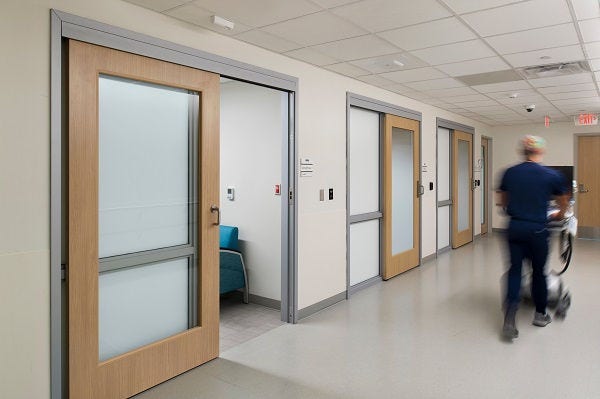
Read about our products in the real world.
See how our doors solve many challenges.




Want AD Systems in your inbox?
Sign up to receive product updates, news and information from Ives sent directly to your inbox.
Let us help.
Contact us today to talk about your project needs, or call us at 425.740.6011.



Ⓒ 2025 Allegion all rights reserved