















Finding Project-Based Solutions with an Integrated Approach to Design
Specifying the right products to bring a design from a series of shop drawings to an occupied building is no easy task. Not only do building professionals need to understand what performance and aesthetic qualities will support end-users but also how each architectural system interacts with the others around it.
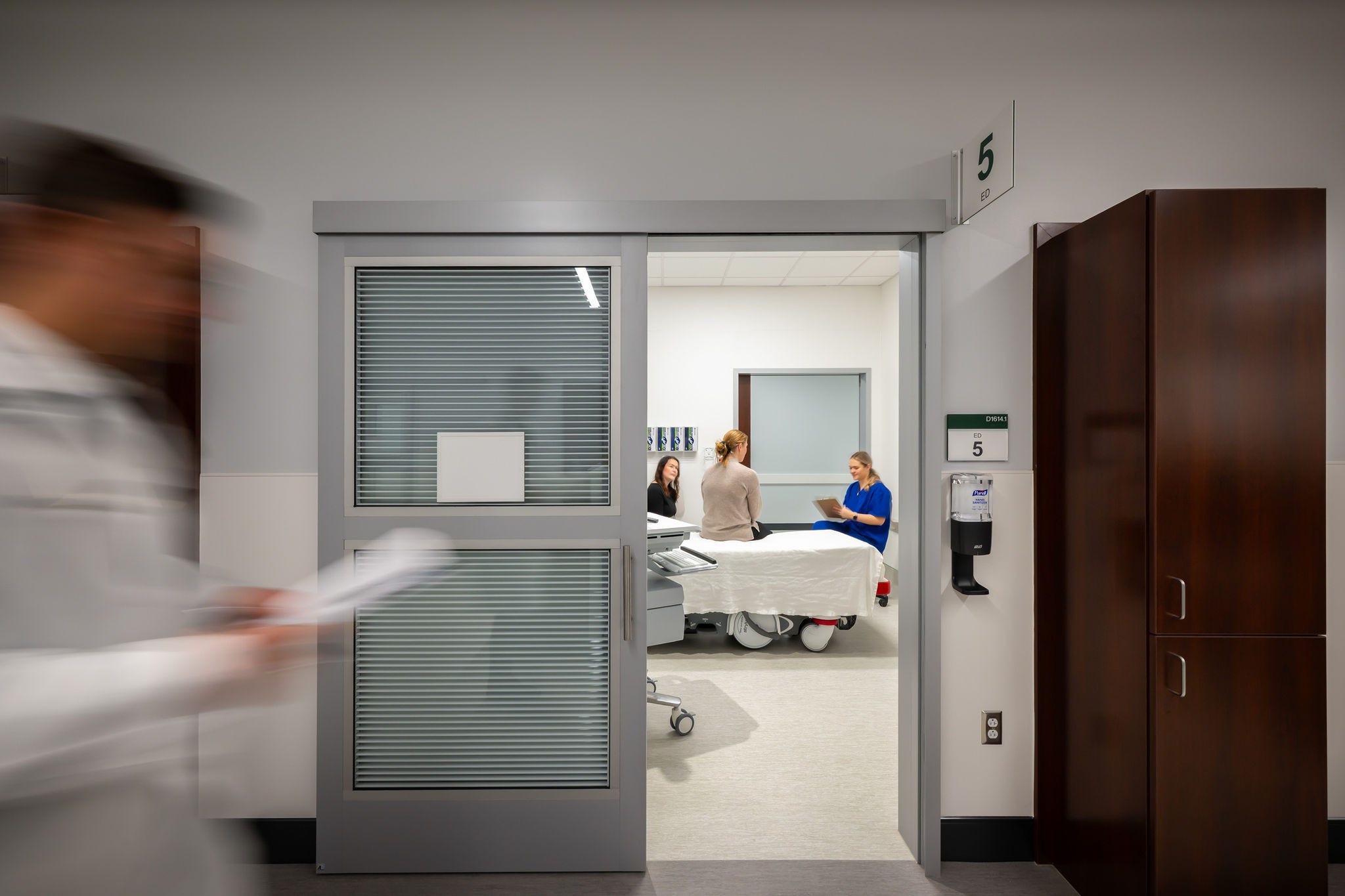
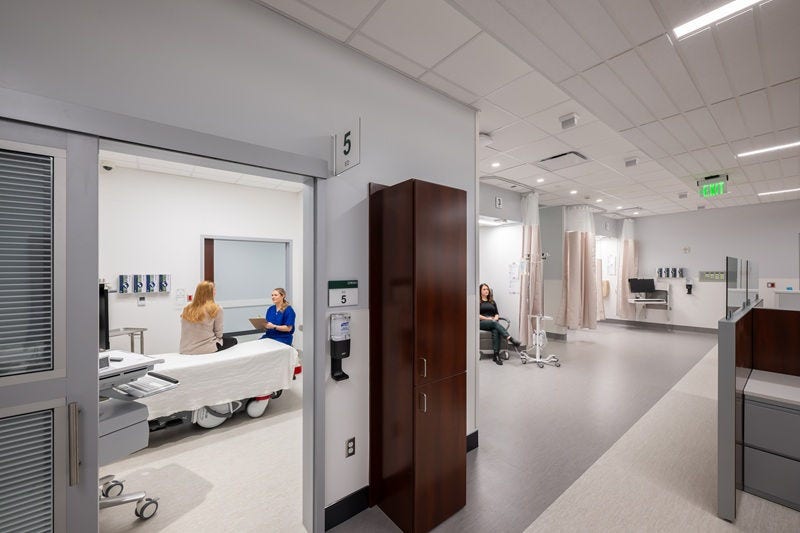
For example, in health care design, specifiers might select a sliding glass door to obtain required opening width clearances while also optimizing useable space in a patient room. They could then go a step beyond by specifying a glazing system that supports both visual connection and privacy needs. In this example, the glass in the door leaf and potentially its sidelites and transom impact the overall functionality of the door as a system.
In the past, design teams might have had to navigate how specifying multiple products in close proximity might impact a full system’s functionality—whether that is for the better or worse. However, an integrated approach to design can help these professionals combine products confidently and effectively.
What is an integrated approach to design?
Collaborative in nature, an integrated approach to design utilizes a diverse team of experts to help building professionals solve complex and interrelated challenges in construction. For health care facilities, this can range from the door example above to combining multiple opening solutions that meet fire- and life-safety code requirements as well as accessibility needs.
Often what hinders this approach is the difficulty of precise communication between manufacturers, designers and project owners. For instance, a manufacturer may be well-versed in how interior sliding doors can be utilized in a medical facility but less knowledgeable in openings along a building’s façade. In this example (and others like it), designers will most likely have to rely messages between multiple manufacturers and project owners, slowing the process and increasing the likelihood of miscommunication.
An integrated approach to design puts all project stakeholders in direct communication so teams can design a building holistically, improving its functionality and streamlining the design process.
Multiple manufacturers work together to find project-based solutions
An integrated approach to design is more than having expert teams talk to each other. It involves experts knowing enough about adjacent systems to offer recommendations and to step back when necessary to allow other specialists to provide input.
For example, AD Systems, Technical Glass Products (TGP) and Unicel Architectural have integrated sales teams that are knowledgeable of the full range of opening solutions these three manufacturers offer. This helps design teams quickly find effective and customized solutions for their projects. For example, these three manufacturers supported the design team behind a recent addition to the Altru Health System’s network of hospitals.
The design utilized AD System’s space-efficient doors and Unicel’s integrated louver systems to prioritize connection and comfort for patients while also readily accommodating medical provider needs. For areas where openings needed specialty ratings, like fire-resistant glazing or X-ray shielding glass, TGP was able to offer versatile and cutting-edge solutions. By having a highly collaborative approach, Altru Health’s Grand Forks hospital was able to meet complex project goals efficiently.
Operational benefits of an integrated approach to design
The benefits of highly collaborative design processes result in more efficient construction. They can also help project-owners streamline ongoing maintenance. For instance, when integrated sales teams have a basic understanding of the upkeep requirements of multiple architectural systems and contact sheets for the other experts supporting the design, they can more quickly respond to requests, answer questions and help facility managers maximize the service lives of multiple systems within the built environment.
Having several experts within reach increases the value these systems provide by allowing a leaner approach to the design, construction and occupancy phases of a building.
Deliver value with each system and holistically
The value of door, curtain wall or other opening system extends beyond their individual functionality. When these assemblies work together to create more dynamic and occupant-centered buildings, they can increase the project’s overall value both in the immediate and long-term.
As an Allegion brand, AD Systems has a history of facilitating more integrated approaches to design—from multi-brand resource guides to explaining how integration can help specifiers more easily achieve recognized design trends. In combination with industry-leading sliding door systems, this approach streamlines the ever-increasing complexity of today’s construction.
You May Also Like
Check out similar product solutions.
Read about our products in the real world.

See how our doors solve many challenges.


Want AD Systems in your inbox?
Sign up to receive product updates, news and information from Ives sent directly to your inbox.
Let us help.
Contact us today to talk about your project needs, or call us at 425.740.6011.



Ⓒ 2025 Allegion all rights reserved